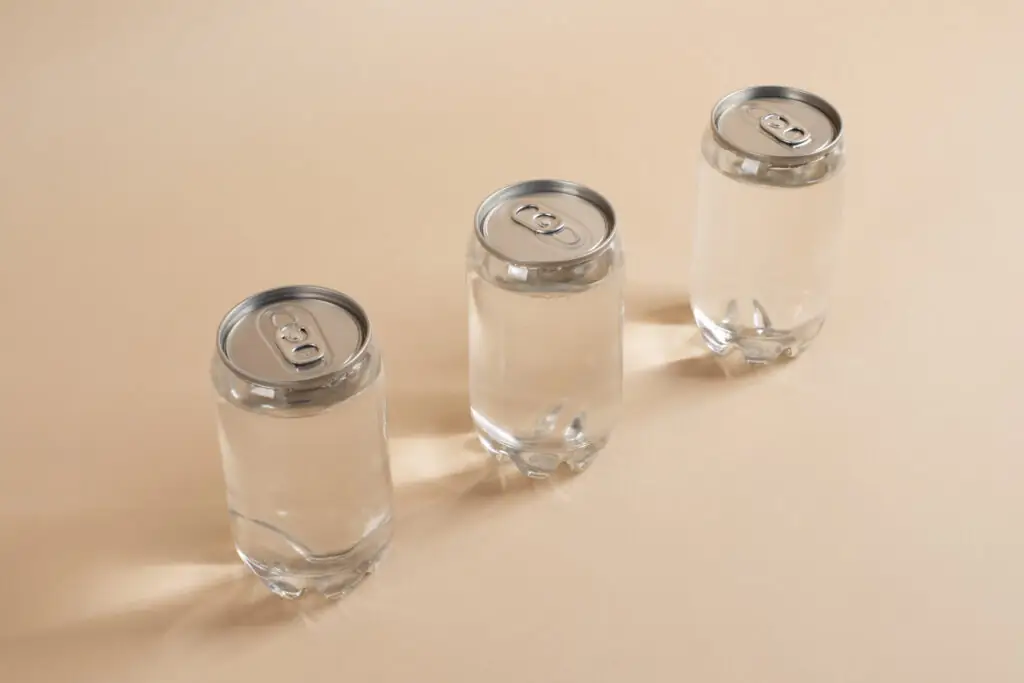
PET cans stand out in the presentation of beverages and products for more than just their practicality. Sustainability has become an essential requirement, and increasingly demanding consumers can perceive transparency and commitment in every package placed before them, often even before tasting the product.
With increasingly strict European legislation, brands are reviewing and adjusting their designs with a more conscious approach. Understanding how these containers can communicate identity and responsibility, while still attracting consumers, helps companies make better decisions.
From traditional plastic to responsible PET
PET cans help explain why plastic is no longer perceived in the same way as before. For years it was used with little reflection, in a context without clear limits. Today the criteria have changed, and decisions now require greater control, traceability and consistency.
The hospitality sector is moving toward recyclable formats with more clearly defined and supervised processes. Not everything works anymore, and not every option fits every professional setting. Businesses increasingly value solutions with greater control, from origin to the end of their use.
PET (polyethylene terephthalate) responds to these demands with a technical and functional approach. It enables a more precise management of its life cycle and maintains lightness without losing strength. These qualities fit perfectly with the fast pace of professional service.
This repositioning reflects a conscious review of habits and priorities within the sector. Making careful choices not only prevents mistakes but also reinforces credibility in every decision. The material stops being just a support and begins to communicate responsibility and sustainability.
Materials aligned with the circular economy
PET cans are increasingly integrated into sustainability models applied to food packaging. The idea is no longer to use and discard without reflection, but to design each package so it becomes part of a continuous, efficient and responsible cycle.
Considering the journey of the container is essential, from how it is manufactured to how its use is managed. Every decision, from materials to design and the recycling system, influences the reduction of environmental impact.
For this reason, recycling after consumption is essential. When users know how to separate and dispose of waste properly, the cycle works effectively. A design created to facilitate this separation helps ensure that reuse becomes truly efficient.
Packaging does not end its life after use. It continues its path by reintegrating into the cycle and extending its usefulness. Every decision in visual concept or post-consumption management transforms waste into resources, turning the use cycle into a more sustainable and responsible process.
Current trends in PET packaging
Innovation is redefining how consumers perceive beverages and food products. Packaging aims to convey a sense of naturalness and visual cleanliness from the very first glance. Transparency takes center stage, showing the product exactly as it is.
Simple lines and minimalist labels are also gaining importance. Less visual noise strengthens the perception of care and quality. At the same time, efforts are being made to reduce the weight of packaging, lowering emissions associated with transportation.
These are some of the key trends shaping sustainability in PET cans:
- Transparent packaging that shows the product directly. It allows consumers to perceive freshness and authenticity from the first contact, reinforcing a natural impression without unnecessary visual elements.
- Minimalist designs with clear information. Simple labels avoid visual saturation, make quick reading easier even in dynamic consumption environments, and highlight the product’s most important attributes.
- Lighter formats that reduce the environmental footprint. Reducing weight helps decrease emissions during transport and logistics while maintaining the strength needed to protect the contents.
- Visible and practical recycling instructions. Clear and well-positioned messages guide users on how to manage packaging after use, promoting responsible habits and helping close the sustainability loop.
These trends show that creativity, functionality, and environmental value can go hand in hand. These containers combine clarity, efficiency, and respect for the environment, meeting the new expectations of the market.
What do brands look for in packaging today?
In a constantly evolving market, brands value very specific criteria when choosing their packaging. It is no longer enough for it to perform a basic function: the whole concept is analyzed in search of a balance between usability, brand image, and sustainability. PET cans clearly reflect many of these priorities.
Among the aspects that weigh most in this decision are:
- Convenience and visual consistency. Packaging must facilitate service, be practical in daily use, and reinforce the brand’s identity.
- Demonstrable environmental commitment. Brands prioritize clear data that supports their choices, avoiding empty claims and showing real responsibility toward consumers.
- Optimized cost. Prices adjust to usage volumes, allowing businesses to maintain margins without sacrificing responsible criteria.
- Compliance with current regulations. Product presentation helps ensure legal compliance and simplifies inspections or routine audits.
- Versatility of use. Packaging must work in different contexts, from occasional events to ongoing service in bars or terraces.
Behind these priorities lies a strategic vision. Each packaging choice accompanies the brand’s narrative and reinforces its credibility. Consistent decisions communicate environmental respect and generate a positive impact on customers.
Beyond the immediate experience, a well-designed presentation strengthens the perception of corporate identity in the long term. It highlights the commitment to sustainability and helps stand out in a competitive market.
PET cans are not a passing trend
PET cans are part of a structural change in the way beverages and food products are presented. They are not a temporary trend or passing fashion, but the result of a deep review of the sector’s standards, responsibilities, and expectations.
Choosing the right packaging strengthens brand identity. It communicates commitment and a forward-looking vision, showing that every packaging decision reflects professionalism and attention to detail. Choosing solutions that combine functionality and environmental responsibility helps businesses stand out to consumers.
Can these cans be recycled after use?
Yes, they can be integrated into recycling systems when disposed of correctly. Proper separation allows the materials to be reused, extending their life cycle and contributing to more sustainable consumption.
Are they suitable for both cold and hot drinks?
They are suitable for cold and warm beverages. For very hot liquids, it is recommended to check the manufacturer’s specifications and ensure the container maintains stability, safety, and quality during use.
Do they affect the taste of the contents?
No, they do not alter the taste as long as they comply with food-grade standards. They ensure product stability during consumption time, preserving aromas and freshness without interfering with the sensory experience.