Knowing how to properly store cut fruit is a daily challenge for anyone looking to maintain a healthy diet while reducing food waste in the kitchen. Preparing ingredients in advance certainly saves time, but exposure to air accelerates the natural deterioration of fresh produce.
In this updated 2025 guide, you’ll discover the most effective methods to extend the shelf life of your favorite fruits. Follow these essential tips to preserve the flavor and texture of fruit as if it had just been freshly cut.
Reasons Why Cut Fruit Spoils Faster
Once the protective skin is removed, the fruit’s flesh is exposed to environmental conditions that trigger deterioration. Understanding these natural processes will help you choose the best preservation method.
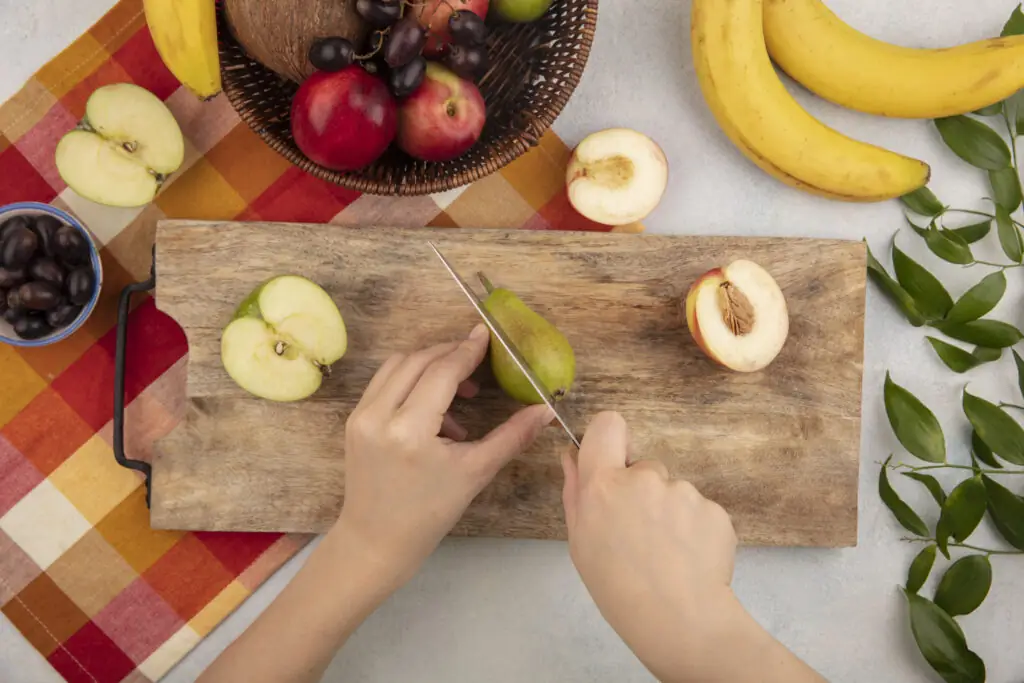
- Enzymatic oxidation. This is the most visible process. When exposed to oxygen, certain fruit enzymes react and create browning. Apples, pears, and bananas are the clearest examples, as a simple cut immediately starts the process.
- Moisture loss. The skin acts as a barrier against evaporation. Without it, fruits with high water content such as watermelon or melon quickly lose their juiciness, becoming dry or grainy.
- Growth of microorganisms. A cut surface creates the perfect breeding ground for bacteria and mold. Moisture and natural sugars make mold appear faster than expected.
Knowing how to store cut fruit therefore requires acting quickly against these biological processes. If you control exposure to air and maintain refrigeration, you can prevent oxidation and microorganisms from ruining fresh fruit.
Key Factors for Storing Cut Fruit Properly
To achieve professional results, remember that choosing the right container is essential. The best storage solutions help preserve the original texture and flavor of fruit. Implementing these habits can transform your kitchen into a healthier and more organized space.
- Constant Temperature
Cold temperatures are your best ally when storing cut fruit. Refrigeration slows down the fruit’s metabolism and bacterial growth. For this reason, fruit should always remain chilled immediately after cutting.
- Moisture Control
Excess water inside the container makes fruit soft and mushy. On the other hand, a complete lack of humidity causes it to dry out excessively. Maintaining the right balance is key.
- Oxygen Isolation
To prevent oxidation, it is essential to minimize direct contact with air. Professional food packaging systems make a significant difference in fruit preservation.
When using airtight or partial-vacuum containers, enzymatic deterioration slows considerably. Another advantage is that they help maintain freshness for much longer.
- Packaging Quality
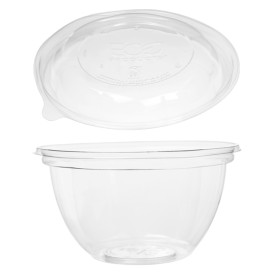
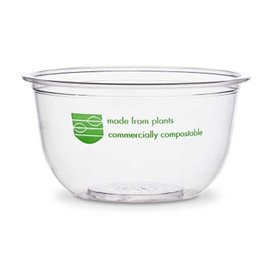
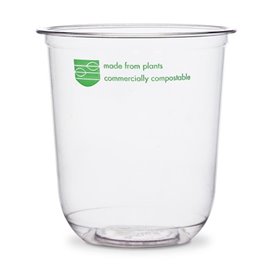
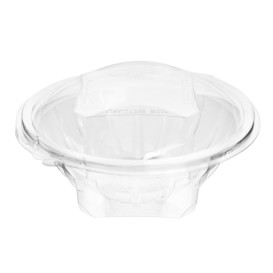
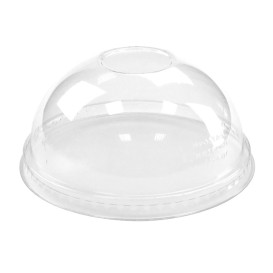
Choosing safe and airtight materials is essential. Glass is inert, does not transfer odors or flavors, and is highly hygienic. BPA-free plastic is also a lightweight and practical option. In addition, some containers include silicone valves that allow partial vacuum sealing.

Practical Methods Depending on the Type of Fruit
Another important aspect when learning how to store cut fruit is understanding that not all fruits react the same way to refrigeration or cutting. Keep the following specific recommendations in mind for each category.
Fruits That Oxidize Quickly (Apple, Pear, Banana, Avocado)
To prevent browning, use an acidic agent. An effective method is to sprinkle fruit pieces with lemon or orange juice. Ascorbic acid works as a natural antioxidant.
Another useful method is to soak the fruit briefly in cold water with a pinch of salt. Then rinse and store it in an airtight container without leaving excess air space.
Juicy Fruits (Watermelon, Melon, Pineapple)
These fruits naturally release a large amount of liquid, which can complicate storage. The key is controlling moisture properly inside the container.
To do this, place a sheet of absorbent paper at the bottom of the container to collect excess liquid. This prevents the fruit from becoming soggy and slows down fermentation.
Fruits with Delicate Texture (Strawberries, Blueberries, Blackberries)
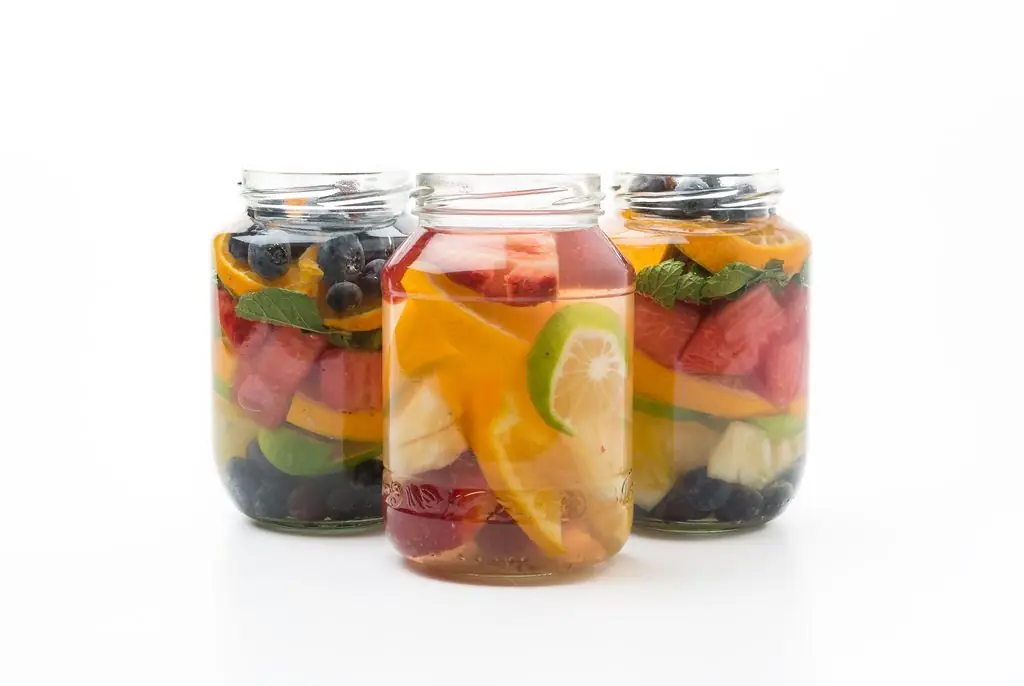
Berries and delicate fruits tend to absorb moisture quickly and become soft. In these cases, the best solution is to store them in shallow containers with good airflow and avoid stacking them.
The trick is to use paper towels and check the fruit daily. If they have contact points, they spoil more easily. This method allows air circulation and extends freshness.
Citrus Fruits and Tropical Fruits (Orange, Grapefruit, Kiwi)
This category contains fruits that naturally have their own acidity level. However, after being processed or cut, they should also be stored in airtight containers. Otherwise, they quickly absorb odors from the refrigerator.
Tips to Prevent Cut Fruit from Spoiling
If you want professional-level preservation in your kitchen, the best solution is to follow these additional recommendations:
- Keep fruit at 4°C or lower. This temperature range significantly slows the growth of microorganisms and enzymatic activity that accelerates deterioration.
- Use airtight containers. Exposure to oxygen accelerates the loss of freshness and changes the flavor of fruit.
- Consume cut fruit quickly. Ideally, fruit should be eaten within 24 to 48 hours after cutting. The fresher it is, the better its taste, texture, and nutritional value.
- Wash fruit only before consumption. Washing fruit too far in advance increases moisture and promotes deterioration. If possible, wash and cut fruit just before eating.
Applying these practices consistently helps preserve freshness during the week. If you combine them with the right storage containers and use airtight lids, you will notice the difference immediately. This way, storing fruit at home becomes simpler and more efficient.
How to Store Cut Fruit: Common Mistakes to Avoid
Even with the best intentions, there are habits that accelerate fruit deterioration. Following these tips will help you avoid the most common mistakes associated with poor storage:
- Using metal containers. Contamination occurs when fruit comes into contact with metal, which can alter both flavor and nutritional value.
- Leaving fruit at room temperature. Once fruit has been cut, its shelf life decreases rapidly if it is not refrigerated.
- Mixing overripe fruit with fresh fruit. Overripe fruit not only affects its own quality but also speeds up the deterioration of other fruit pieces due to the release of ethylene and gases.
- Overfilling containers. If containers are packed too tightly, fruit pieces become crushed, releasing liquids and accelerating spoilage.
Correcting these habits contributes significantly to better preservation of seasonal fruit. This way, every recommendation helps improve food organization and protect your family’s health. Remember that prevention is the most effective way to enjoy fresh fruit for longer.
Health and Savings: The Benefits of Proper Fruit Preservation at Home
Knowing how to store cut fruit properly improves kitchen organization and, in addition, contributes to reducing food waste while maintaining nutritional and flavor quality.
By applying the right storage techniques, using Desserts Containers, and following natural methods, the shelf life of fruit can be significantly extended.
This habit not only reduces food waste but also helps you make the most of fresh fruit and maintain its original texture and flavor. Do you have a trick for preserving cut fruit? Share it with us!