September brings a change of pace. For many people, the holidays are over, more structured schedules return and everyday habits that had taken a back seat during the summer start to reappear. These changes can also be seen in consumer habits in hospitality.
Having breakfast before work, grabbing a coffee on the way to the office, looking for a practical lunch option or meeting up after work are all occasions that start to become more important again.
For bars, cafés and restaurants, the beginning of September can be a good opportunity to take another look at customer needs, review the menu and make small adjustments. There is not always a need to change the entire offering: sometimes adapting opening hours, formats and services to a different routine is enough.
How consumer habits in hospitality change in September
During the summer, schedules tend to be more flexible, meals last longer and terraces, late dinners and leisure time play a particularly important role.
September brings more structure back to everyday life. Work, study and commuting once again influence when, where and how much time we spend eating or having something to drink away from home.
As a result, certain behaviours start to become more important again:
- Quicker breakfasts linked to the start of the working day.
- Coffee and other drinks to take away.
- Meals shaped by a specific lunch break.
- Greater interest in practical takeaway options.
- Informal get-togethers after work.
- A gradual transition from more summery products towards autumn options.
For hospitality businesses, the challenge is not necessarily to offer more, but to adapt what they already offer more effectively to these new consumption occasions.
Mornings get back into their rhythm
With the return to work and study, consumer habits in hospitality also change during the first few hours of the day, and breakfast is once again strongly shaped by the clock.
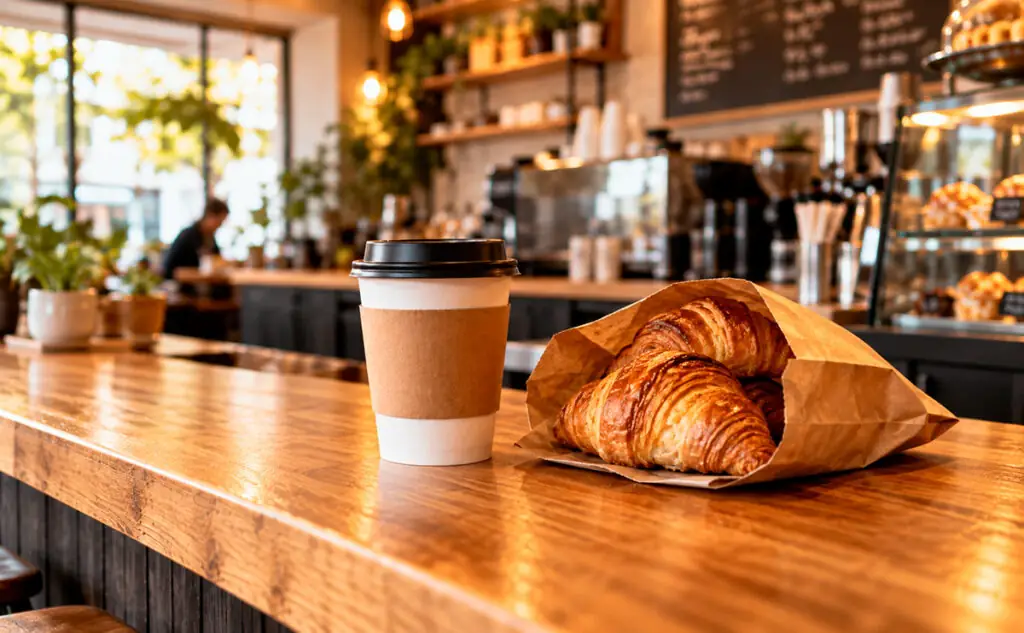
Some customers will still prefer to sit down and take their time, while others want to sort out breakfast in just a few minutes: a coffee, a pastry, some toast or a small savoury option that they can eat on the premises or take with them.
Speed of service becomes particularly important here. It is not enough to prepare the drink quickly; collecting and carrying it also needs to be convenient.
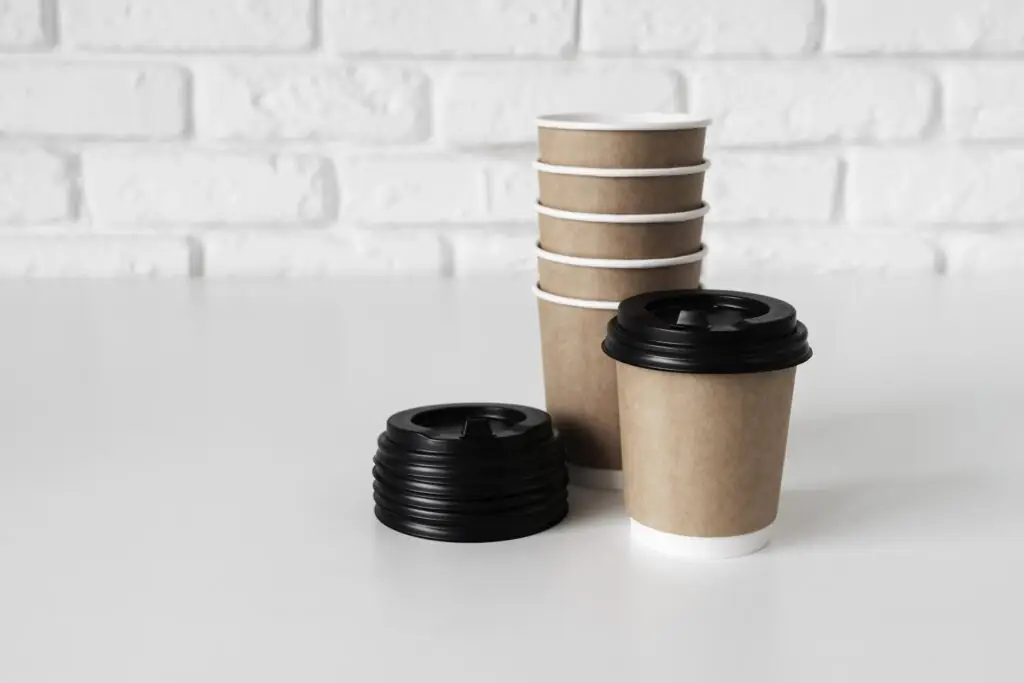
A suitable paper cup for hot drinks, a compatible lid or a cup carrier for several drinks may seem like small details, but they all form part of the experience. The same applies to stirrers, napkins and bags for pastries and other food.
September can therefore be a good time to review your coffee service: check which cup capacities each drink actually needs, whether the lids being used are compatible and whether the business is prepared to handle several takeaway orders during the busiest periods.
The end of summer also signals another change. Coffee, tea, hot chocolate and other hot drinks will gradually become more popular, so preparing for this demand in advance can make the transition into autumn easier.
Lunchtime calls for more practical solutions
As normal schedules return, many customers once again have limited time to eat. This change in routine also affects consumer habits in hospitality, particularly during the lunch break.
The set lunch menu remains highly relevant, but it can sit alongside individual dishes, quick combinations or options that customers can collect and eat away from the premises.
In this context, a larger menu does not always mean better service. Sometimes it is more effective to offer a carefully selected range of dishes that can be prepared quickly and maintain their quality both at the table and away from the restaurant.
The key is understanding how the customer is going to eat each dish.
Someone who has forty minutes to eat in the restaurant has different needs from a customer who collects an order and carries on working. The lunchtime offer can therefore benefit from different formats without having to become two completely separate menus.
When food has to travel
Consumer habits in hospitality are also reflected in the way each dish is eaten. Once food leaves the premises, the packaging becomes part of the overall experience.
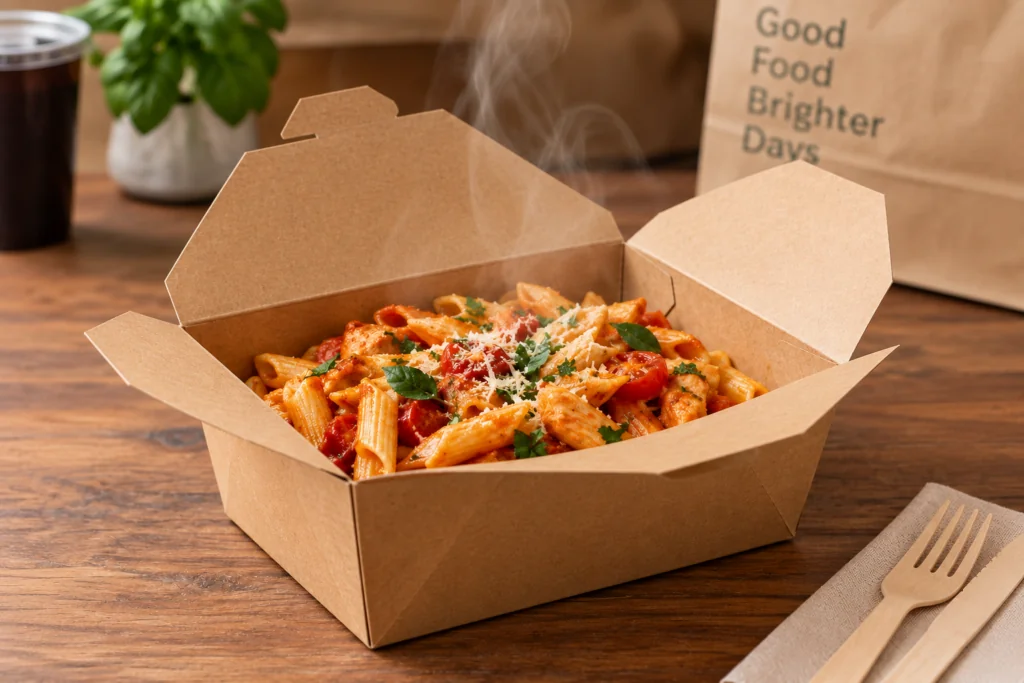
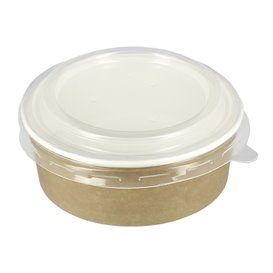
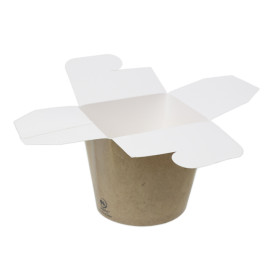
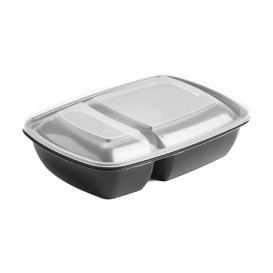
A salad does not have the same requirements as rice, a dish with sauce or a meal made up of several different foods. Before choosing between different takeaway food containers, it is worth considering factors such as the amount of food, its temperature, the need to keep ingredients separate, whether it may need to be reheated later and the type of closure.
A compartmented container can help keep different parts of a meal separate, while a tub or bowl may be more practical for other types of food.
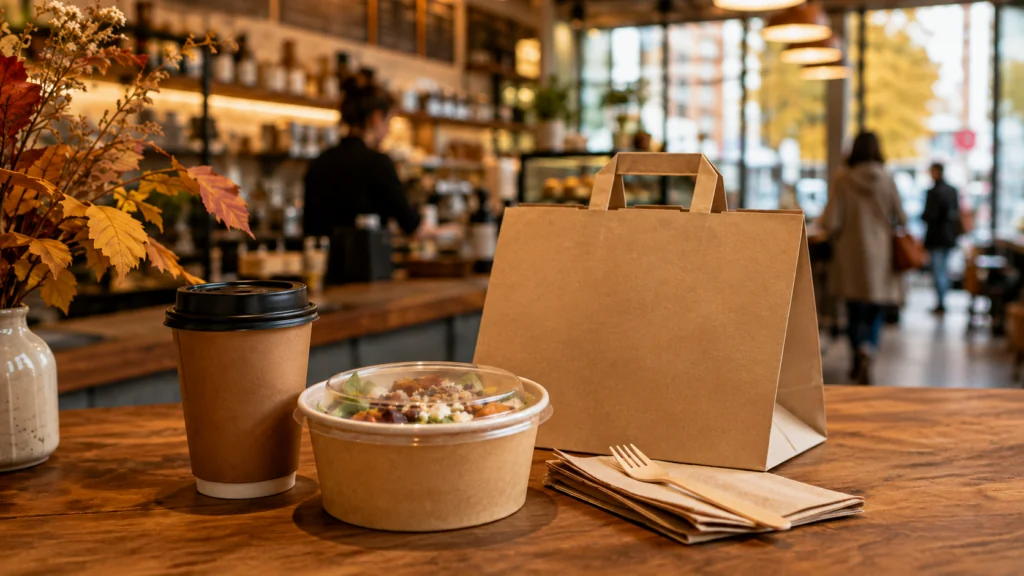
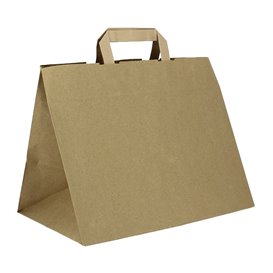
The order as a whole also matters. A suitable bag, a napkin or cutlery when required can make collecting and eating the food much easier.
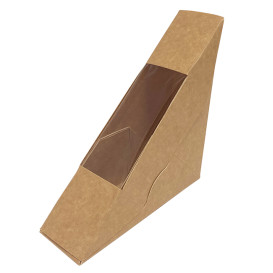
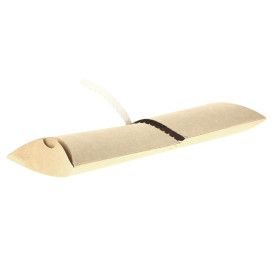

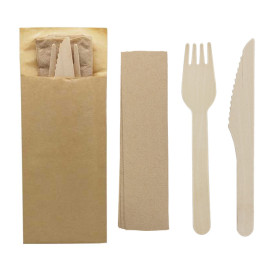
After-work drinks are back on the agenda
In September, consumer habits in hospitality do not only change before and during the working day. Social occasions at the end of the day also start to become more important again.
After-work drinks can once again become an interesting opportunity for bars and restaurants: colleagues having a drink after leaving work, small informal gatherings or customers looking to share a snack before heading home.
There is no need to create a completely new menu to make the most of this time of day. A small selection of drinks, tapas and easy-to-share dishes may be enough.
Presentation is particularly important here. Small bites served in mini serving dishes, trays, tasting plates, skewers or picks can help distinguish this service from the lunchtime menu and give it a more informal feel.
Cocktail napkins, cups and glasses suited to the drinks being served can also play a part.
The advantage is that this is a completely different consumption occasion within the same day: the customer is no longer looking for speed so they can get back to work, but for a place to unwind and socialise.
Adapt your service to the new rhythm
Adapting to consumer habits in hospitality is not simply about introducing new dishes or changing the packaging you use.
September is also a good time to look at how the business is operating after the summer.
The busiest times of day may change, certain products may start selling more again, while others closely associated with summer may begin to lose importance. Staffing, preparation and stock requirements may also change.
Reviewing consumables is part of this process. You may once again need more coffee cups, lids, takeaway bags or containers for hot dishes, while demand for other formats associated with the summer months begins to fall.
There is no need to anticipate the whole of autumn at once. The important thing is to monitor how demand develops over the first few weeks and adjust purchasing and organisation accordingly.
It can also be a good time to review simple operational matters: how collection orders are managed, whether the coffee service area is properly organised or whether peak periods could be handled more efficiently.
If your service changes, tell your customers
Adapting your offering is of little use if regular customers do not know that anything has changed.
If the lunchtime menu returns, breakfast hours are extended, a food collection option is introduced or an after-work offer is prepared, September is a good time to communicate it.
There is no need for a major campaign. A well-positioned chalkboard, Google Business Profile, social media, email or a short-term promotion can be enough to connect the service with an everyday situation.
Messages such as “Your breakfast ready to take away”, “Collect your lunch and get on with your day” or “See you here after work” speak directly to a customer need.
The difference lies in communicating not simply what you sell, but when it can be useful to the customer.
Adapting does not mean changing everything
Getting back into a routine does not mean having to reinvent a bar, restaurant or café.
In many cases, it is enough to observe how customers’ days are changing and make things easier for them at the moments when they need it most.
A breakfast that can be prepared to take away, a coffee that is easy to carry, a meal that can be collected without waiting or a simple after-work option all meet very different needs without necessarily requiring major changes to the business.
Consumer habits in hospitality evolve with schedules, seasons and daily routines. Understanding these changes helps businesses adjust their service after the summer and gradually prepare for the months ahead.
And throughout that process, every detail matters: from cups and coffee accessories to takeaway containers, bags, napkins, trays and presentation solutions that accompany each consumption occasion throughout the day.