
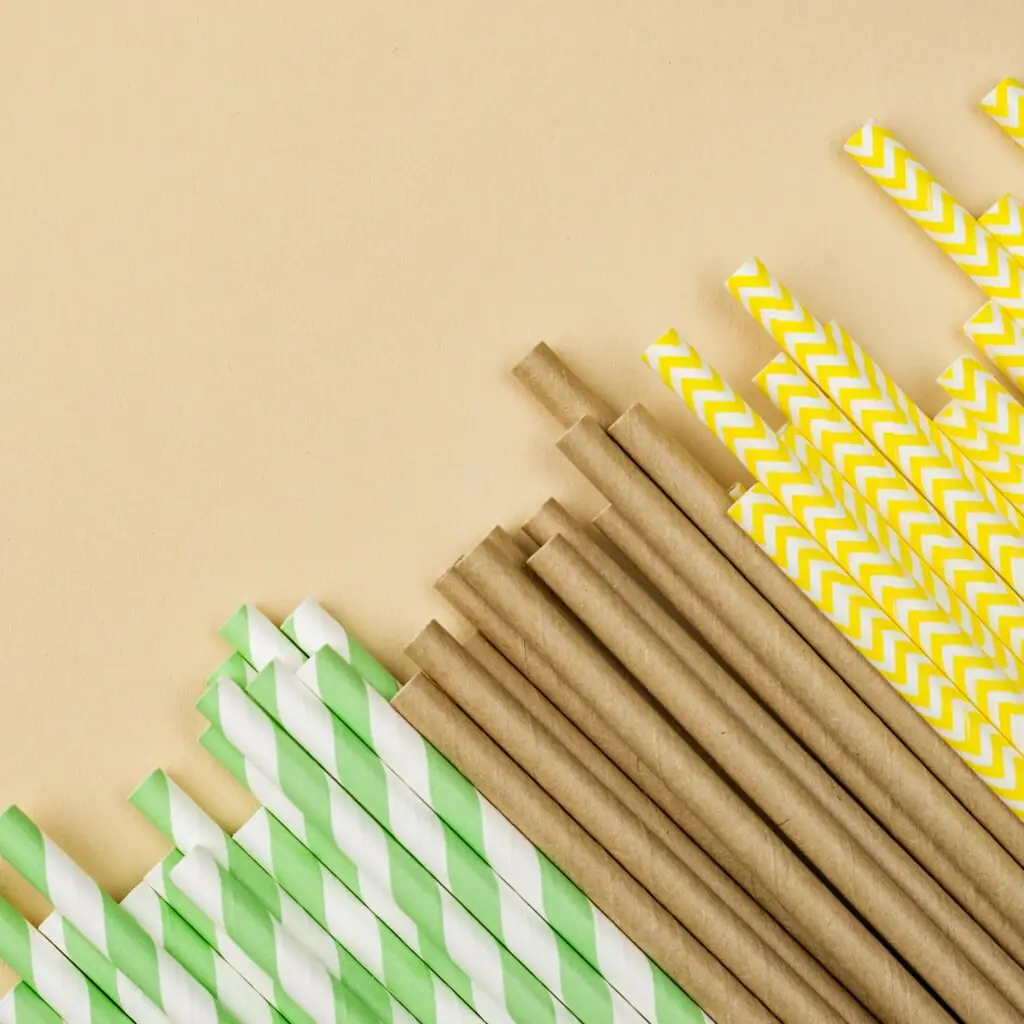
Drinking straws influence the consumption experience just as much as the quality of the drink you serve in your establishment. In the professional hospitality sector, choosing the right size and material for this accessory significantly improves the presentation of your products.
In addition, it avoids unnecessary inconvenience for the customer and strengthens your brand image. It is not a simple add-on. It is a tool that determines whether a customer enjoys their drink or encounters difficulties when sipping a thick milkshake or a cocktail with crushed ice.
Types of straws according to the beverage
Each type of drink requires a different liquid flow. Using drinking straws that are too thin for a slush ruins the experience. Likewise, an overly wide suction accessory in a short cocktail is unattractive and impractical.
- Thin straws: precision and balance for short drinks
The most suitable are those with a small diameter (around 3 or 5 mm) in classic cocktail making and mixed drinks served in small glasses. In the latter case, two thin straws are usually used to facilitate suction without the ice blocking the air intake.
Similarly, the thickness of these drinking straws is ideal for children’s beverages. The main reason is that they adapt better both to smaller-capacity formats and to the physiology of younger users.
- Standard straws: the all-rounder of cafés
They represent the most common format in any hospitality business, with a diameter ranging between 6 and 7 millimetres. These accessories perfectly accompany soft drinks, water, natural juices and the popular iced coffees that customers demand so much during the summer season.
Their balanced design allows a smooth flow of liquid without requiring extra effort from the consumer when sipping. Another advantage is that they maintain visual harmony with medium-capacity cups, adding professionalism and functionality to every service you offer at your counter.
- Wide straws for dense textures
Thick beverages necessarily require a wider opening in order to be enjoyed. Drinks such as milkshakes, smoothies, slushes and the now essential bubble tea require diameters between 8 and 12 mm. Otherwise, it would be impossible to sip them.
Additionally, if your business serves drinks with toppings or jelly pearls, make sure to offer drinking straws with a bevelled lower end. This detail is usually present at the tip to facilitate lid piercing and the suction of solid elements.
Straight or flexible: which one to choose?
Straight drinking straws give your business a cleaner, more modern and professional image. These characteristics make them the ideal option for gala events or venues with a minimalist design.
On the other hand, flexible models continue to dominate terraces and urban cafés. In these cases, customer comfort takes precedence over aesthetics. You should opt for this alternative if your customers prefer to drink without having to constantly tilt the glass.
Straws by material:
The hospitality market has taken a radical turn towards sustainability. To convey a responsible and up-to-date image, you should consider that biodegradable drinking straws help reduce waste. In addition, these accessories comply with current regulations in the UK and the EU.
Paper straws
They represent the most in-demand sustainable alternative in the sector, as manufacturers have corrected the design flaws found in the first models on the market. Today, high-grammage papers with food-grade certifications are used, capable of withstanding prolonged immersion.
Thanks to this, these accessories do not easily disintegrate or lose their original structure. Another point worth highlighting is that they are perfect for serving soft drinks, mixed drinks and beverages that customers consume within standard service times.
Beyond their technical functionality, these straws offer a wide range of colours and modern designs. This variety allows you to personalise the aesthetic of each table with a creative touch that sets your business apart from direct competitors.
Sugarcane straws
If you are looking for a material that does not alter the taste of beverages, sugarcane may be your best ally. These drinking straws are also biodegradable and compostable, while offering a texture and resistance almost identical to traditional plastic.
Another advantage is that they can withstand different temperatures and do not soften with moisture. As a result, they position themselves as the premium option for establishments that care both about the environment and every sensory detail.
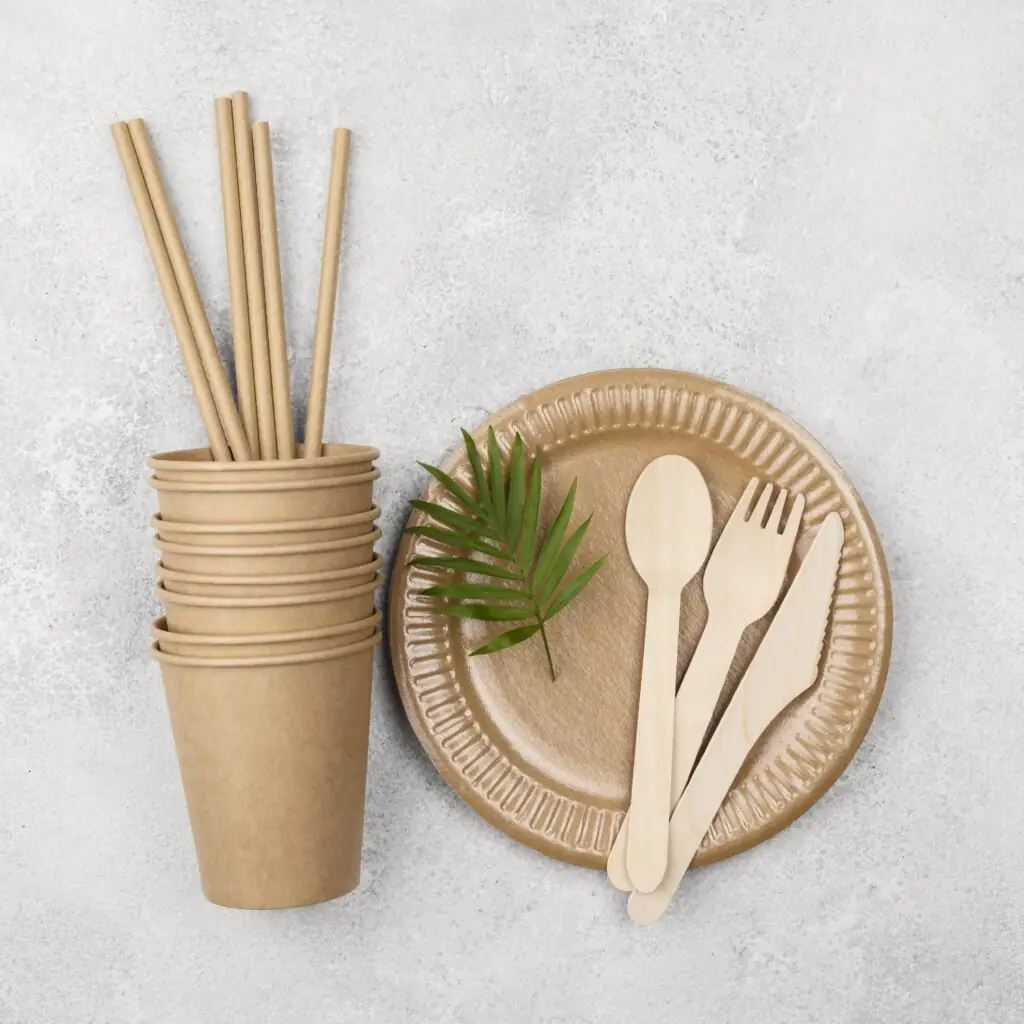
Takeaway and delivery service – comfort and practicality
There is no doubt that takeaway and home delivery services require flawless logistics. Discover below the most suitable types of drinking straws for this service model.
● Maximum hygiene with individually wrapped drinking straws. Those with individual packaging are the most recommended option. This ensures that the accessory reaches the customer’s hands in perfect condition, reinforcing trust in your business’s hygiene standards.
● Convenience packs. These optimise staff workflow by using sets that include a lid, cup and compatible straw. The airtight seal of the packaging prevents spills during transport.
● “Instagrammable” aesthetics. The rise of specialty coffee has turned takeaway cups into a fashion accessory. By using innovative materials, you encourage customers to share photos on social media.
In takeaway services, customers value hygiene, speed and ease of transport even more. Therefore, a well-sealed order that is properly presented and visually appealing becomes the best calling card and advertisement for your brand.
Alternatives to straws: when it makes sense to do without them
It is important to point out that, in certain situations, the best drinking straw is simply the one that is not used. Had you thought about it? The so-called strawless trend is gaining increasing popularity in urban environments and third-wave coffee shops across Europe.
These establishments aim to minimise the use of unnecessary accessories in order to optimise costs and reduce the environmental impact of their daily activity. Below are some popular alternatives that could improve your business operations.
● Aesthetics and brand experience. Eliminating drinking straws provides visual consistency and a verifiable environmental commitment. Your packaging design shows that your business cares about waste reduction and service efficiency.
● Sip lids or spout lids. These allow customers to drink directly from the cup without adding an extra accessory. This format is particularly useful for beverages where customers prefer to immediately perceive the temperature and aroma of the drink.
● Storage optimisation. Removing secondary accessories simplifies inventory management in small premises. This strategy saves storage space and speeds up order preparation.
Make a difference in every sip: the key to impeccable service
Choosing the right drinking straws is an essential step for any hospitality professional striving for excellence. From selecting the correct size to opting for compostable materials, every decision influences how consumers perceive your brand.
Review your drinks menu, analyse your takeaway formats and choose accessories that make life easier for your customers while also caring for the planet. Visit our website for professional advice and discover how our eco-friendly solutions can immediately improve your business’s sustainability.
What diameter should I use for a very thick milkshake?
For ice cream milkshakes or smoothies made with natural fruit, use a minimum diameter of 8 mm to avoid blockages. This ensures a smooth and uninterrupted drinking experience.
How does using biodegradable accessories affect my business’s profitability?
Although the unit cost may be slightly higher than traditional plastic, the value it adds to your brand more than compensates for the investment. In addition, it helps avoid potential administrative penalties.